

All blog posts
Explore the world of design and learn how to create visually stunning artwork.

Volvo’s Farewell to Diesel: Last Car Sent to Museum
March 31, 2024 | by Team Neftin Mazda

Car Dealership Employees Earn Three Times More Than Average Americans
March 31, 2024 | by Team Neftin Mazda

Popular Car Manufacturers Grappling with $6,000 Losses on EVs
March 31, 2024 | by Team Neftin Mazda
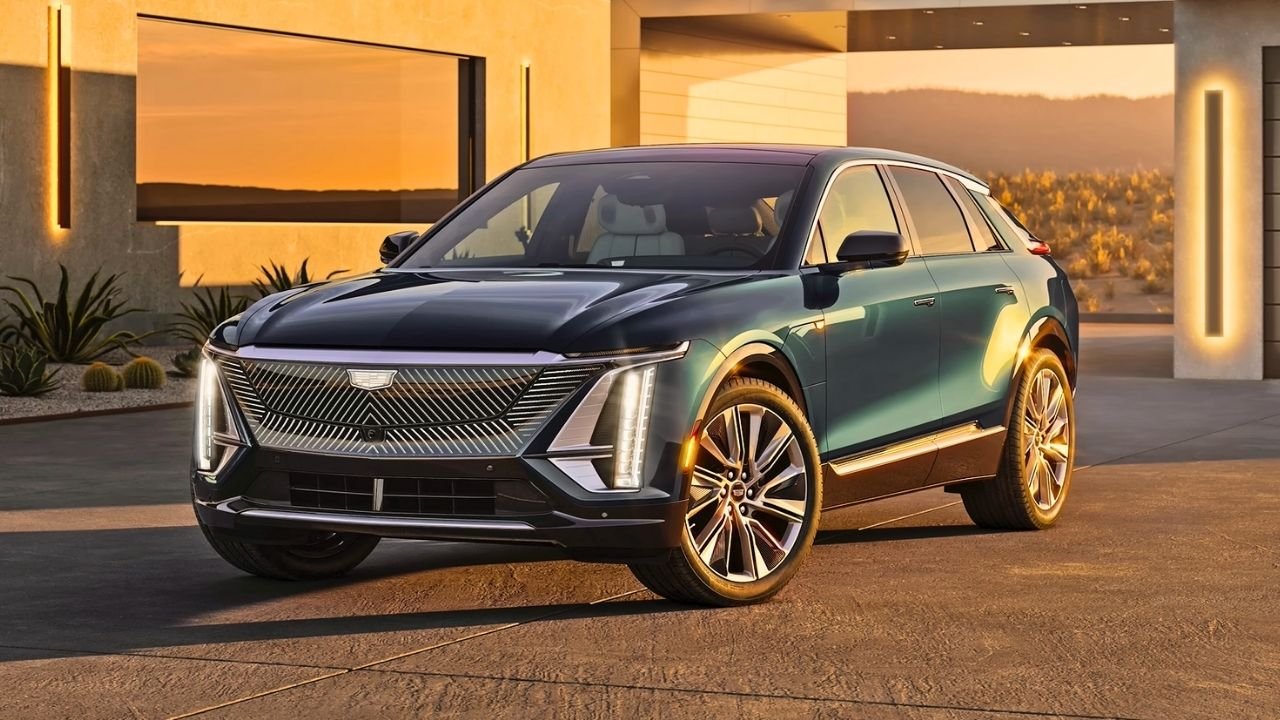
All Electric Acura ZDX Specs, Dimensions, Range & Price
March 31, 2024 | by Team Neftin Mazda
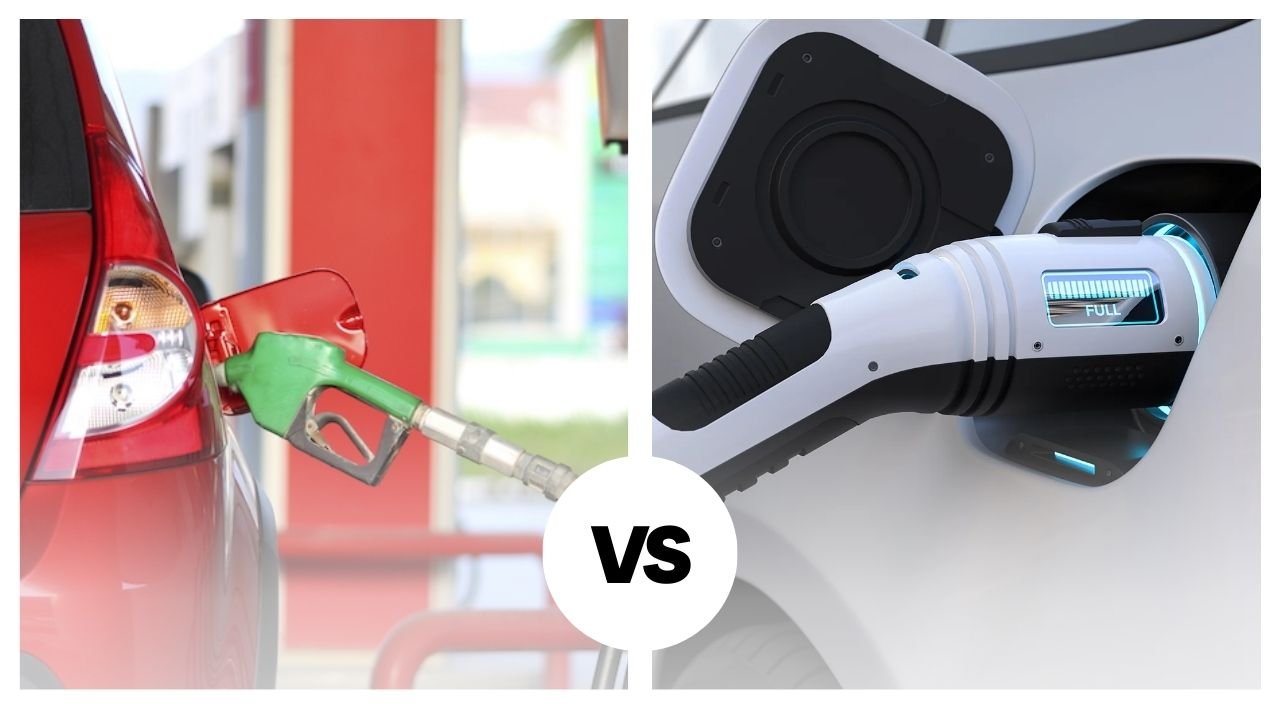
Gas or Electric? Making the Right Choice for Your Next Car
March 31, 2024 | by Team Neftin Mazda
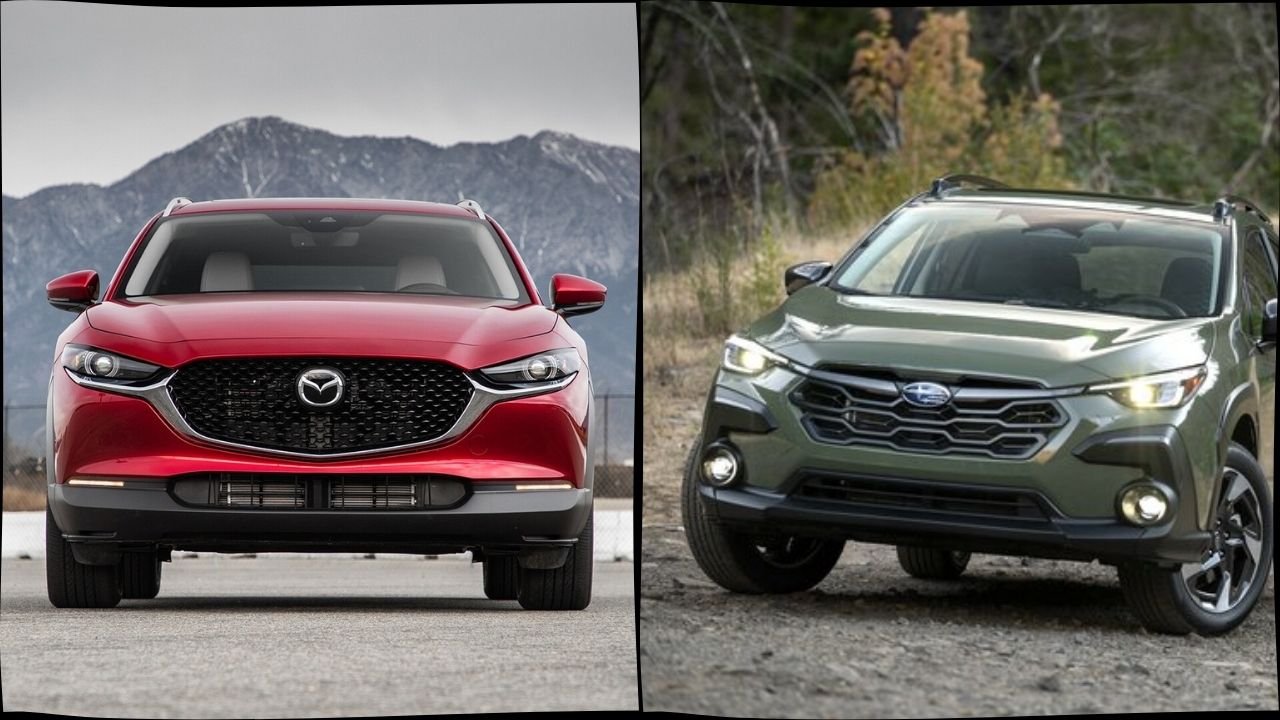
Mazda CX-30 vs Subaru Crosstrek – Which Crossover Wins?
March 30, 2024 | by Team Neftin Mazda
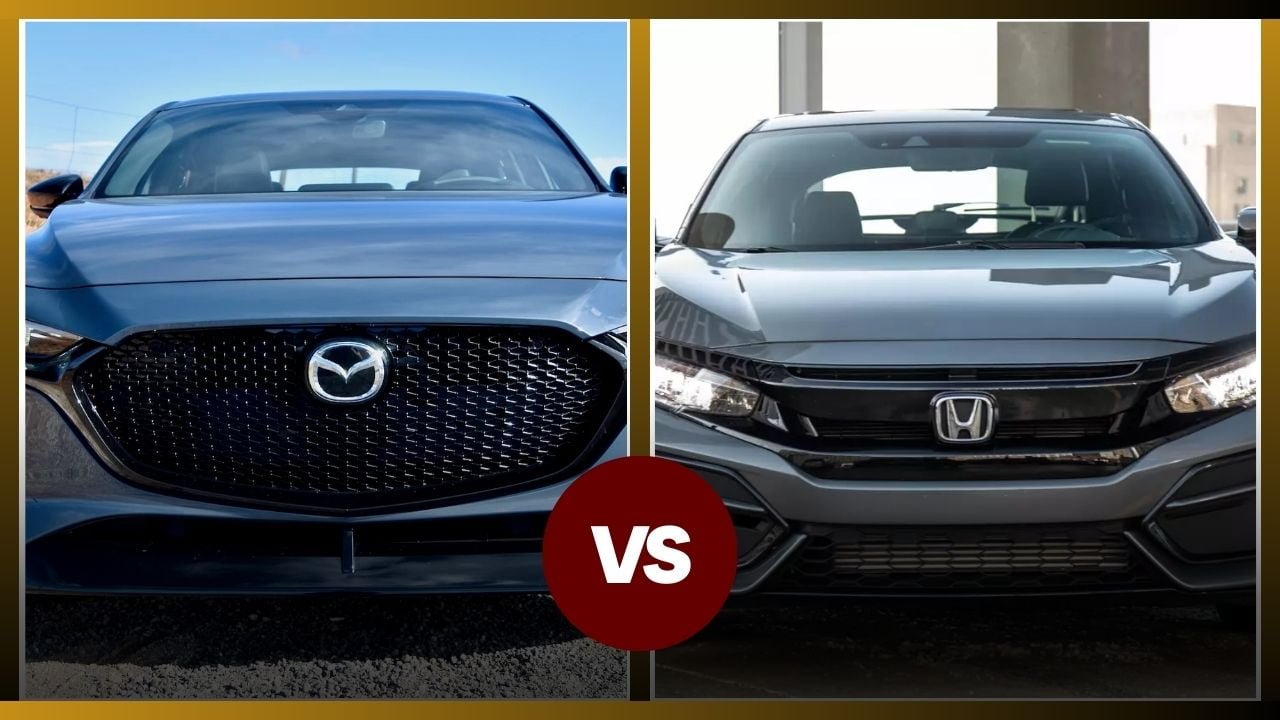
Mazda 3 vs Honda Civic – Reliability, Safety & Specs
March 30, 2024 | by Team Neftin Mazda

World’s Most Scenic Drives: From Coastal Highways to Mountain Passes
March 30, 2024 | by Team Neftin Mazda

10 Future-Proof Car Maintenance Tips Every Driver Should Know
March 30, 2024 | by Team Neftin Mazda

2023 Mazda MX-5 Miata Images – Interior & Exterior
March 29, 2024 | by Team Neftin Mazda


In a significant move towards sustainable transportation, Volvo has officially ceased production of diesel vehicles. The announcement comes as part of the automaker’s ambitious plan to transition towards electric mobility, marking the end of an era for diesel-powered cars.
The decision to discontinue diesel production underscores Volvo’s dedication to reducing carbon emissions and embracing cleaner energy solutions. With electric vehicles (EVs) gaining traction globally, Volvo aims to lead the charge towards a greener future.
Håkan Samuelsson, former CEO of Volvo, initiated the transition to electrified powertrains in 2017, recognizing the urgent need for sustainable mobility solutions. Under his leadership, Volvo made significant strides in developing EV technology and infrastructure.
The shift away from diesel aligns with Volvo’s long-term vision of becoming carbon-neutral by 2040. By focusing on EVs, the company seeks to minimize its environmental footprint and contribute to a more sustainable transportation ecosystem.
Volvo’s last diesel car, the XC90, showcases the brand’s innovation and sustainability. With a powerful turbocharged 2-liter 4-cylinder diesel engine, it marks the end of Volvo’s diesel era. After production, it will be sent to the Volvo museum.
As Volvo’s final diesel vehicle heads to the museum, it reminds us of how technology evolves quickly and industries must adapt. Diesel fueled Volvo’s past, but electric power will define its future, leading to more sustainable mobility and innovation.