

All blog posts
Explore the world of design and learn how to create visually stunning artwork.
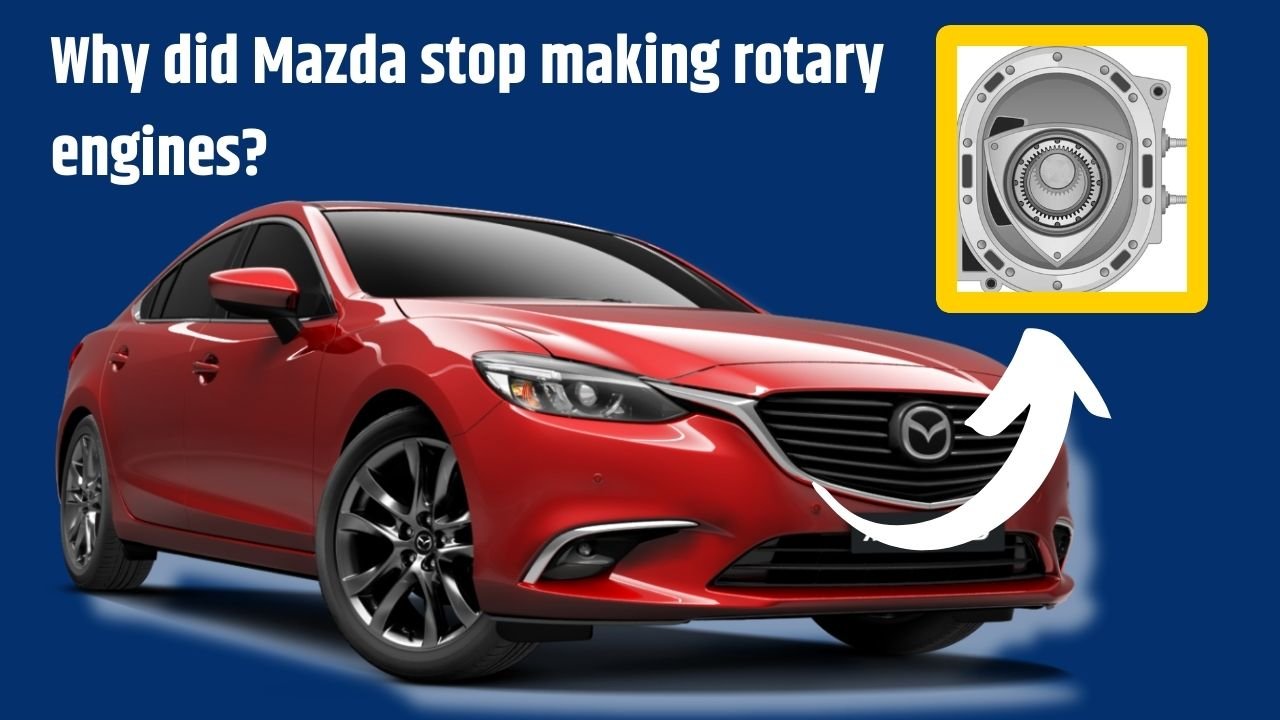
Why did Mazda stop making rotary engines?
April 5, 2024 | by Team Neftin Mazda
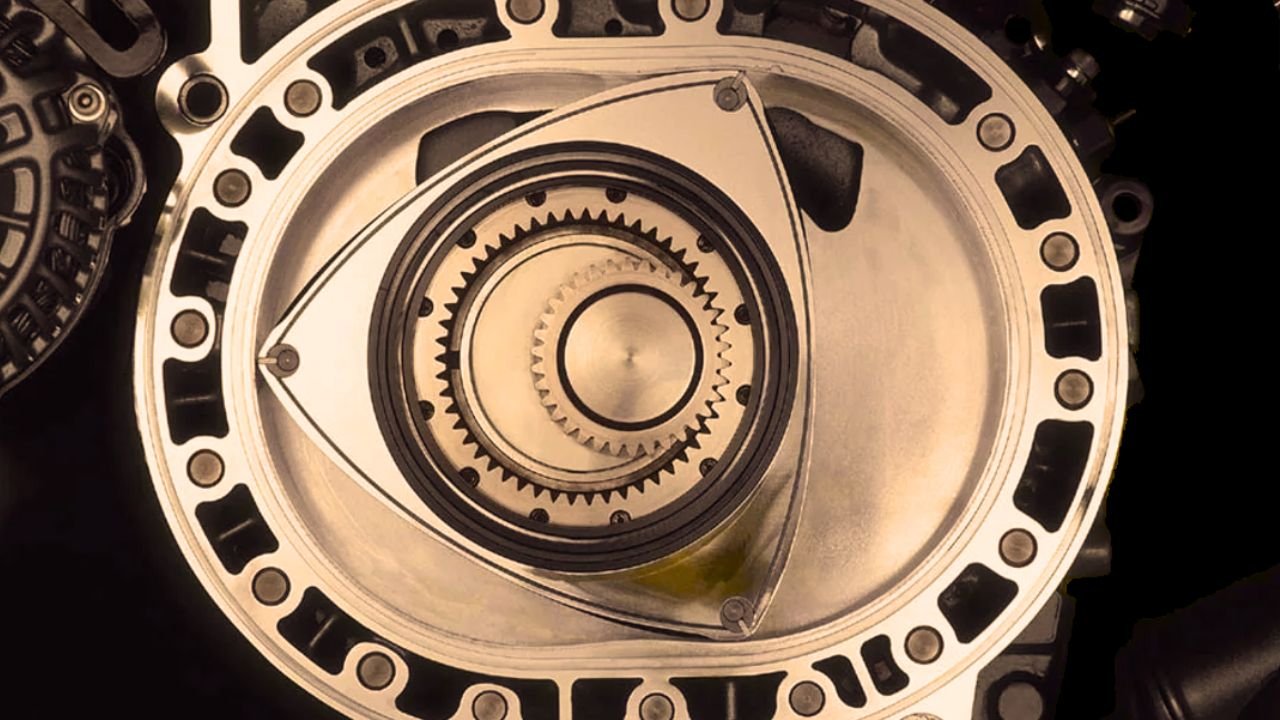
Does Mazda Still Make Rotary Engines?
April 5, 2024 | by Team Neftin Mazda
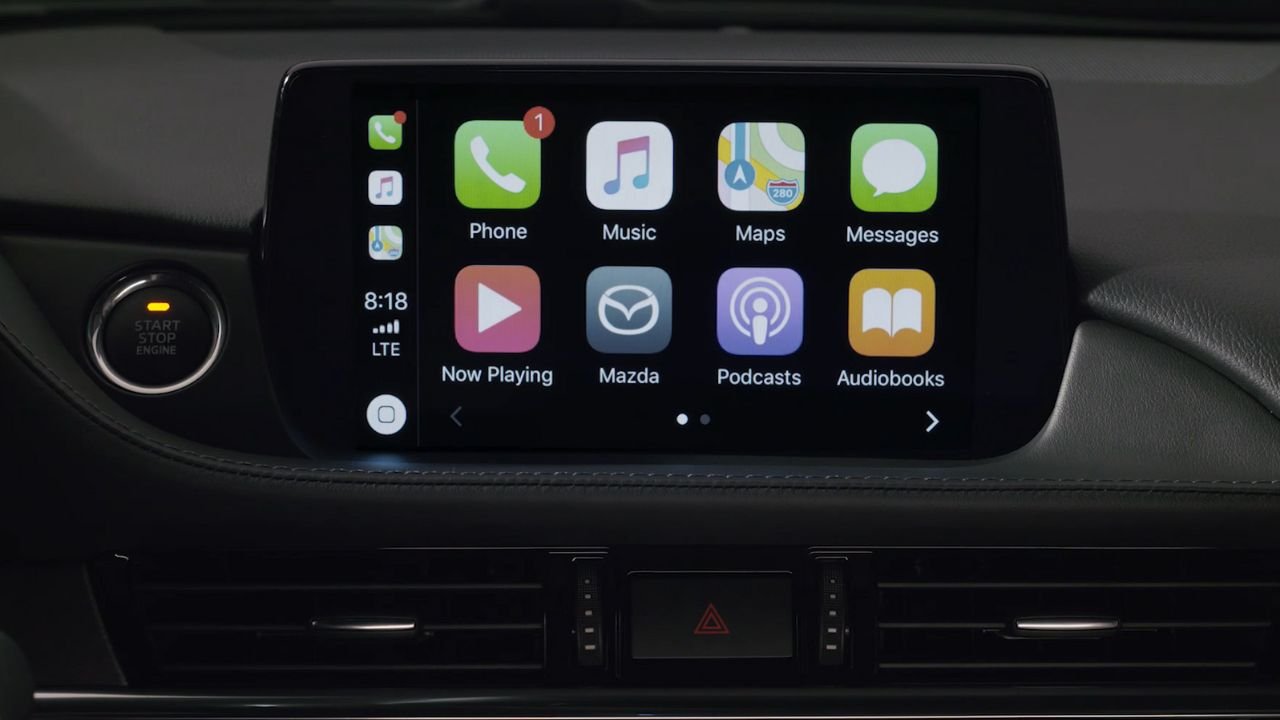
Does Mazda Have Apple Carplay?
April 5, 2024 | by Team Neftin Mazda
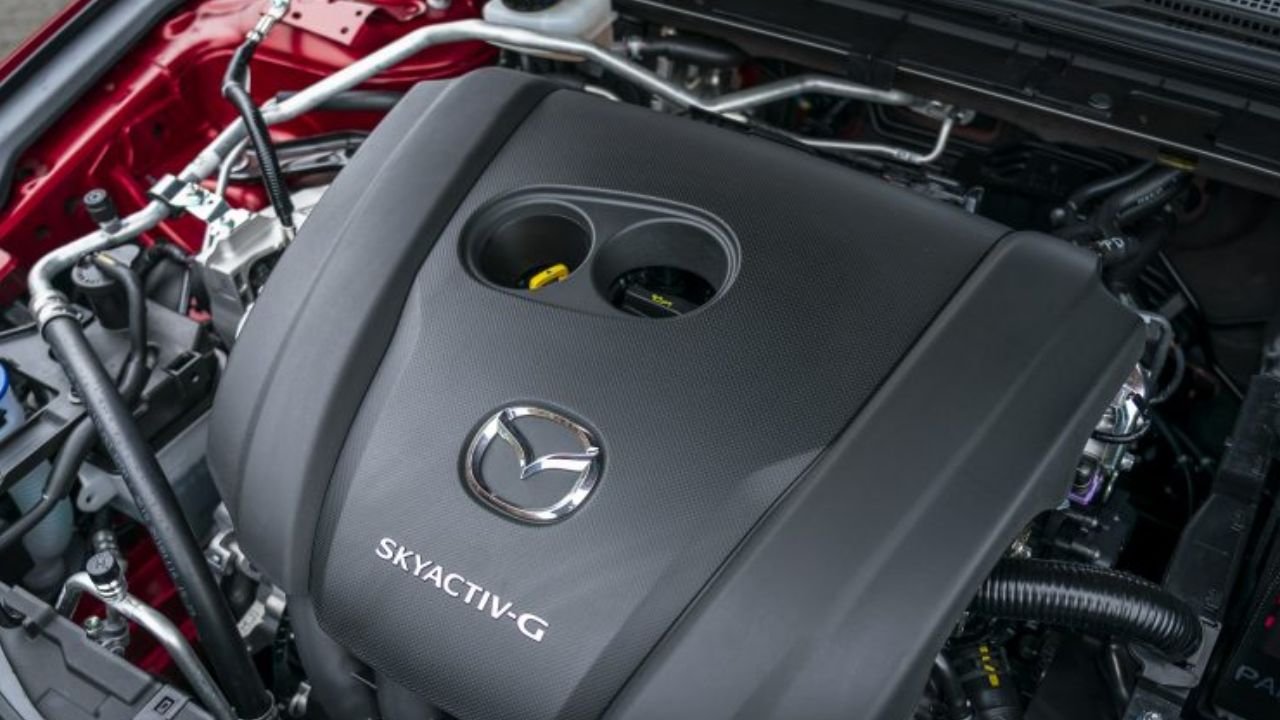
What is Mazda Skyactiv?
April 5, 2024 | by Team Neftin Mazda

Are Mazda 3 Reliable?
April 5, 2024 | by Team Neftin Mazda
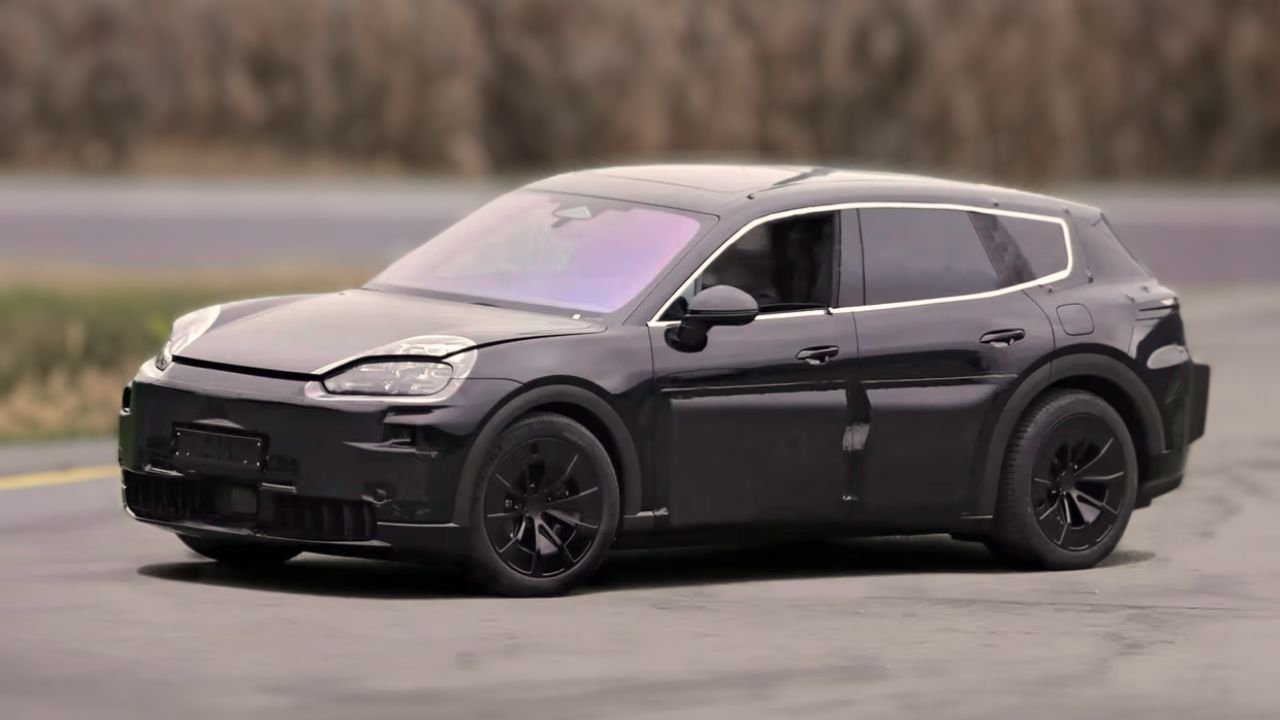
Spy Shots Reveal Porsche’s ‘K1’ SUV Testing, Set to Redefine Luxury Electric Market
April 4, 2024 | by Team Neftin Mazda
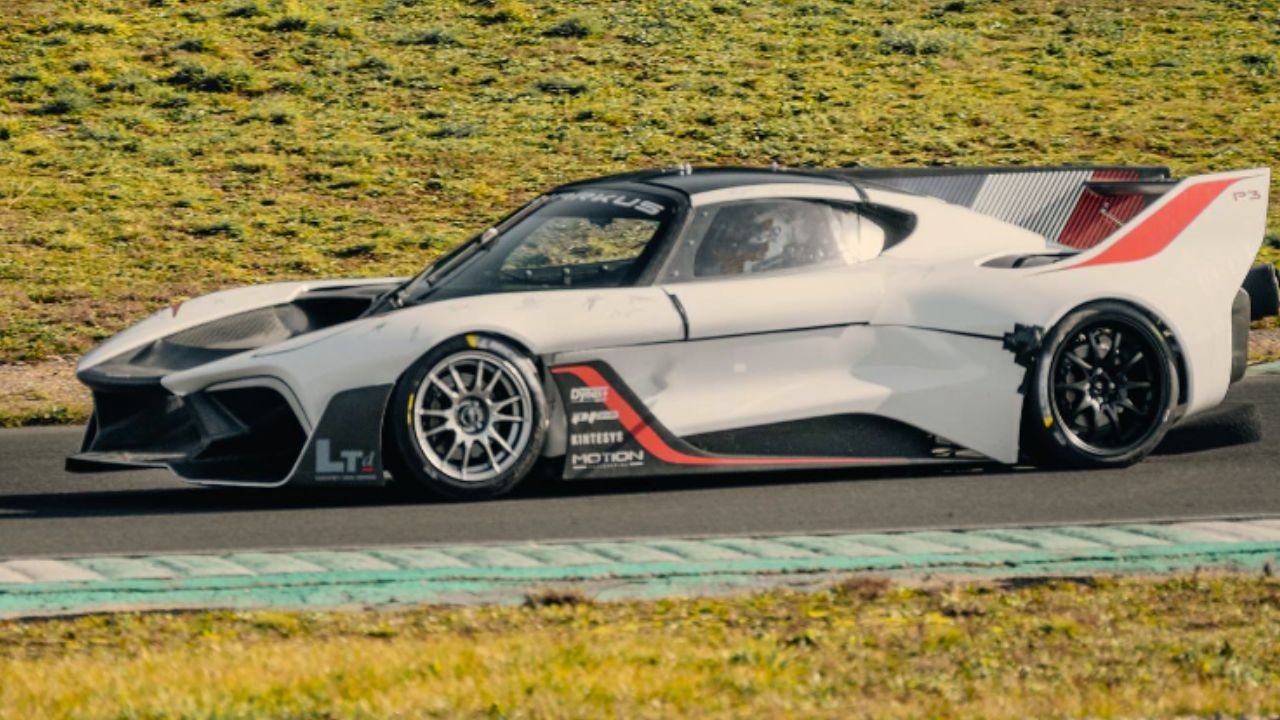
Quarkus P3 Supercar: A Collector’s Dream with Only 26 Being Made
April 4, 2024 | by Team Neftin Mazda

Exploring Upgraded Features in the 2024 Porsche Taycan Facelift
April 4, 2024 | by Team Neftin Mazda
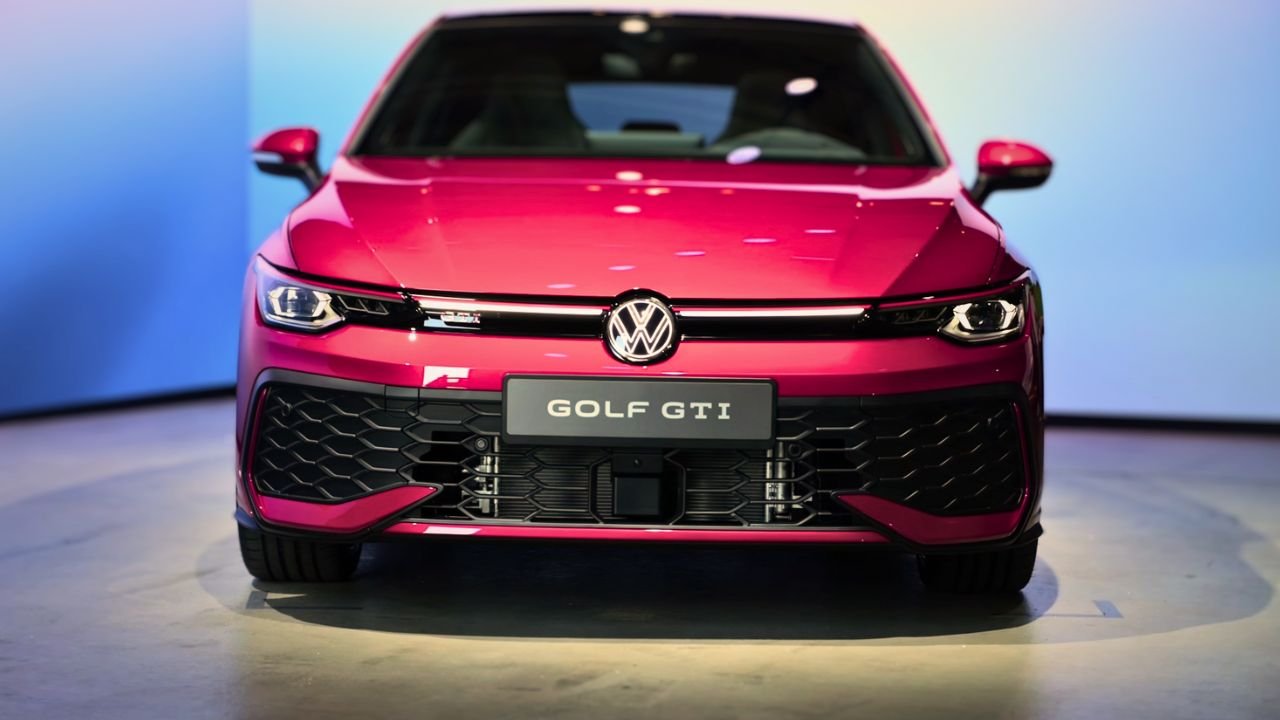
2025 Volkswagen Golf GTI: What’s New and What to Expect
April 4, 2024 | by Team Neftin Mazda
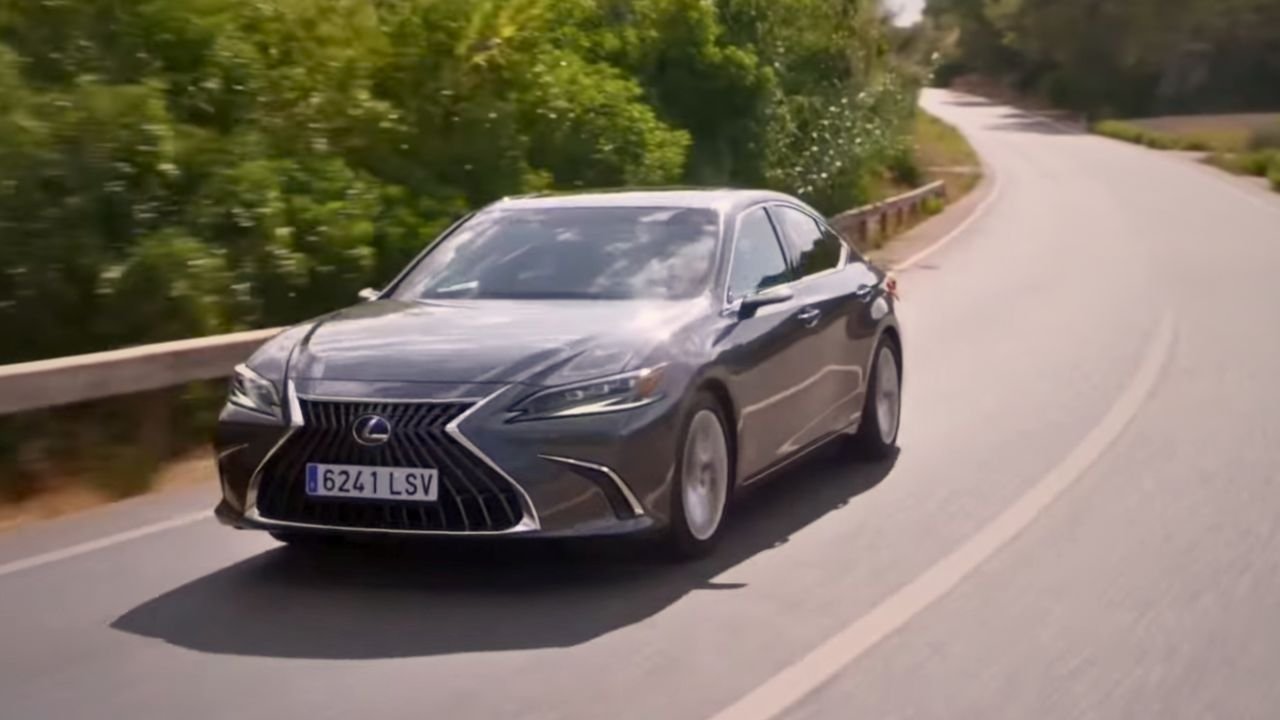
2025 Lexus ES Preview: What to Expect
April 4, 2024 | by Team Neftin Mazda


Find out why Mazda stopped making rotary engines and learn about the reasons behind this decision
Why did Mazda stop making rotary engines?

Mazda stopped making cars with rotary engines primarily due to issues with fuel efficiency and emissions. Rotary engines, while offering high power output for their size, tend to consume more fuel and produce higher emissions compared to traditional piston engines.
Additionally, the complexity of rotary engines made them more costly to produce and maintain. These factors, combined with the challenges of meeting increasingly stringent emissions and fuel economy regulations, led Mazda to discontinue their use in their production cars.
Disadvantages of Rotary Engines:
- Lower thermal efficiency due to uniquely shaped combustion chamber.
- Inherent oil burning requires frequent checks and increases emissions.
- Difficulty in achieving proper rotor sealing, leading to leaks and performance issues.
- Increased complexity and maintenance requirements compared to piston engines.
- Higher fuel consumption compared to piston engines of similar power output.
- Higher emissions and environmental impact due to inefficiency and oil burning.